
Photo and Newspaper Clip
Here are some visual materials that depict who we are and what we do
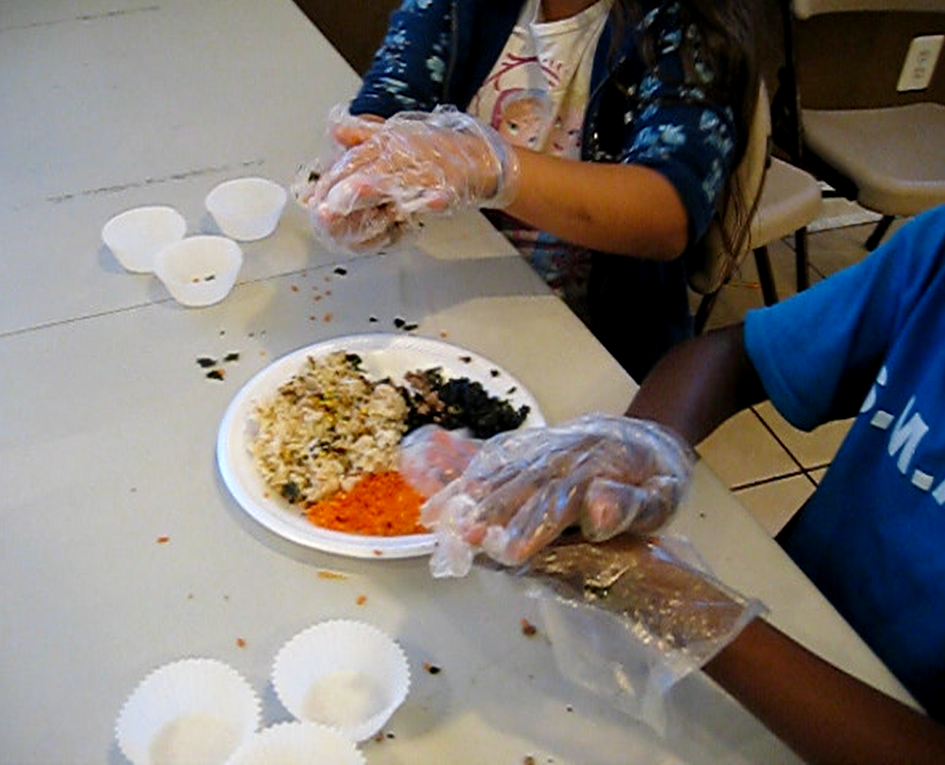
Students make rice balls. They learn the name and color of the material as they make them. They also learn a Korean verb that means 'to make'.
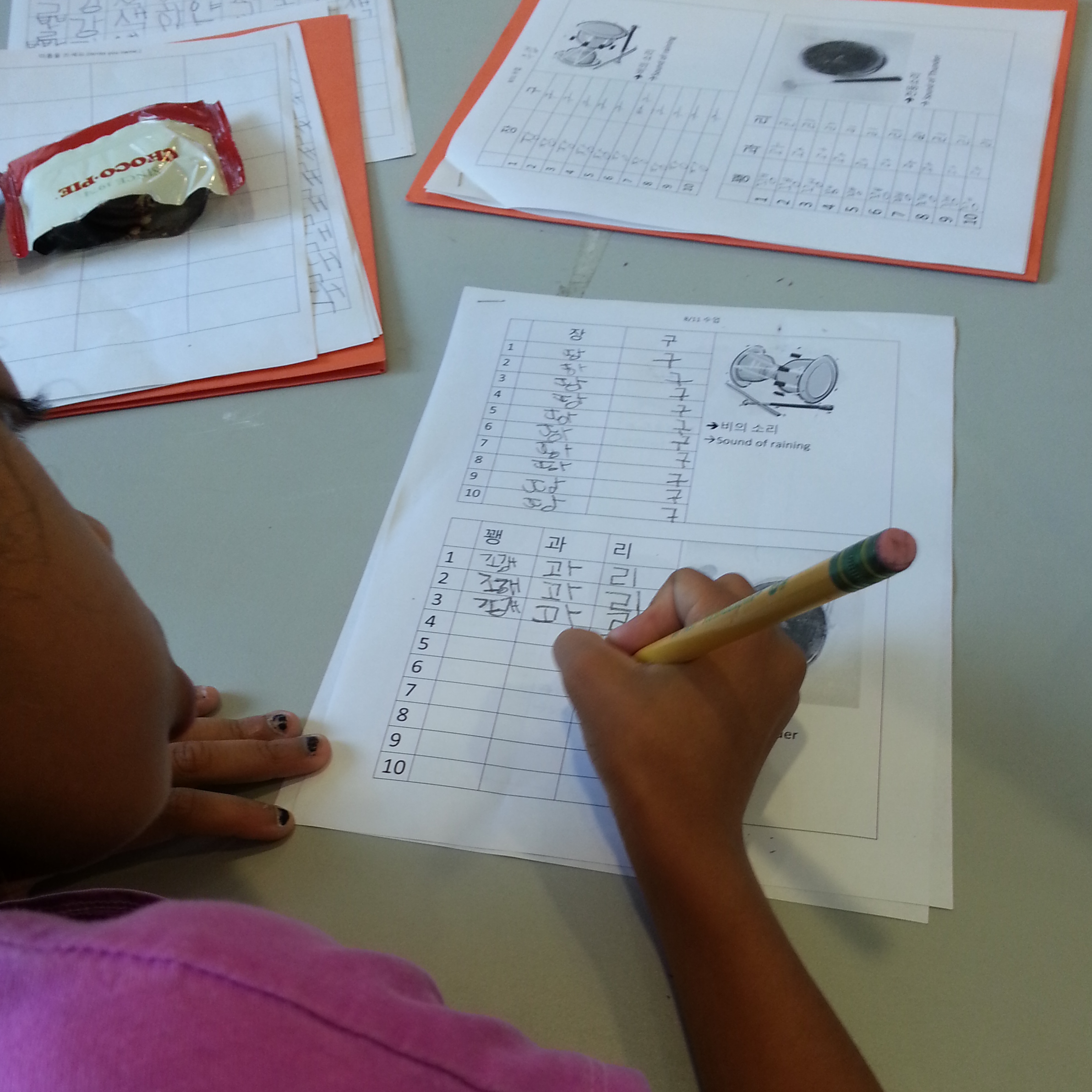
Students write musical instrument names in Korean as they learn Korean Traditional Percusion: janggu, a double-headed drum and gwaenggwari, a small brass gong.
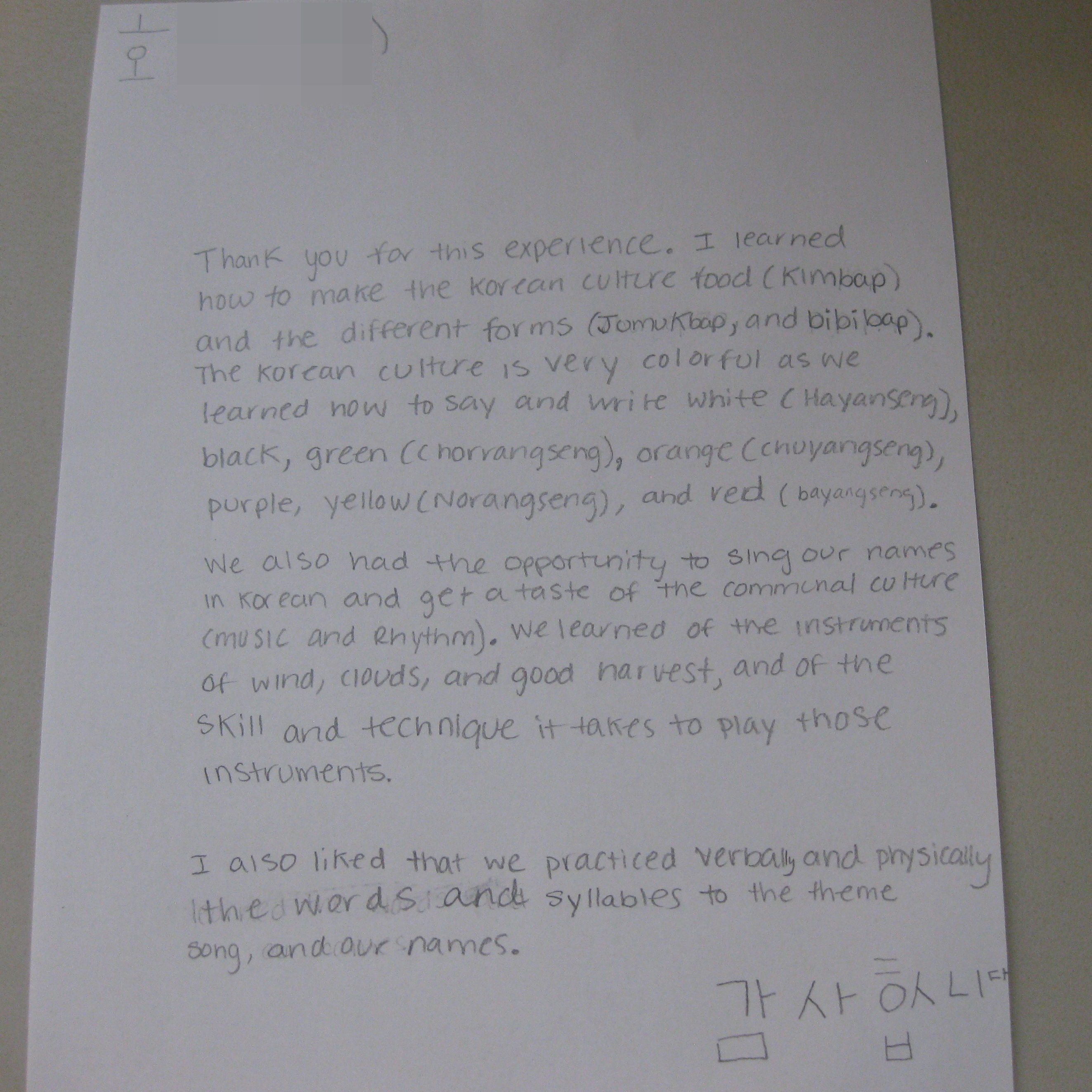
This is written by a student who participated in a program to learn Korean and Korean culture.
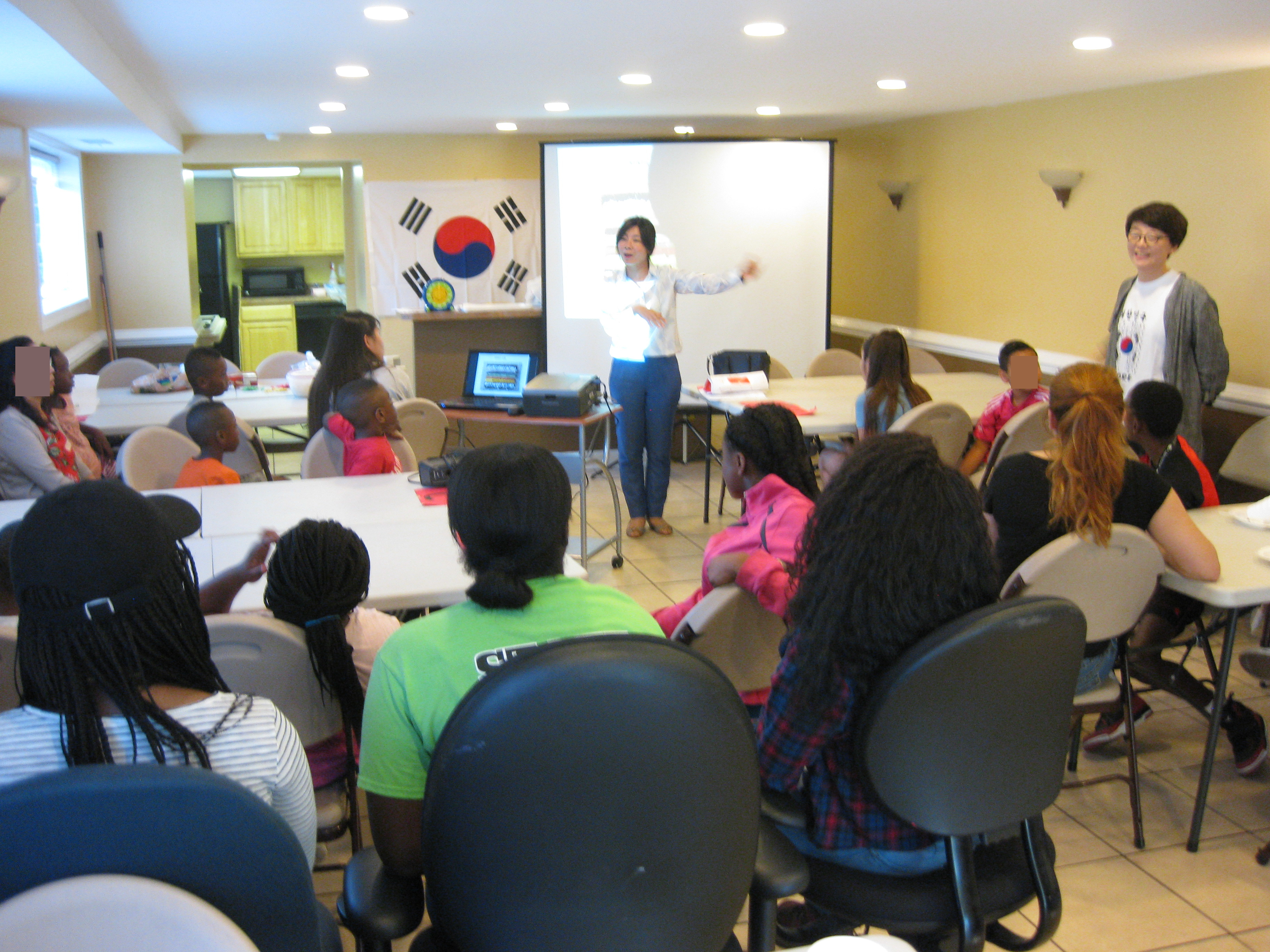
Director Ahn Mi-hye, who worked at the Korean Education Center in Washington, DC, visited and encouraged students who were learning Korean and Korean culture for the first time.
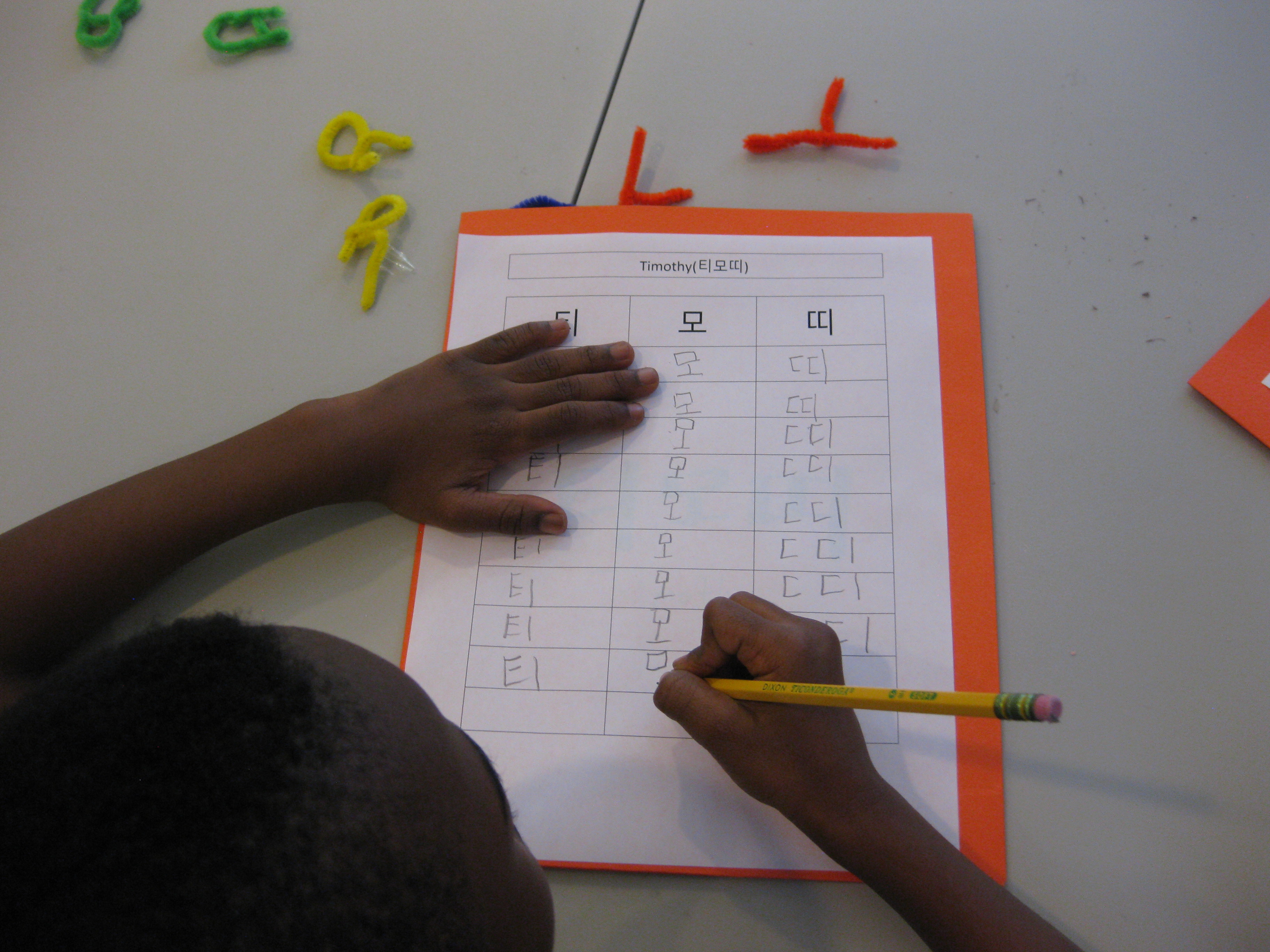
A student writes his name in Korean alphabet.
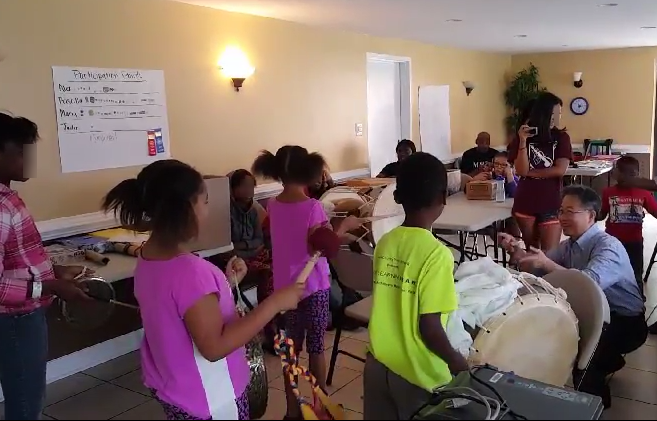
Students play musical instruments as they learn about Korean Traditional Percusion.
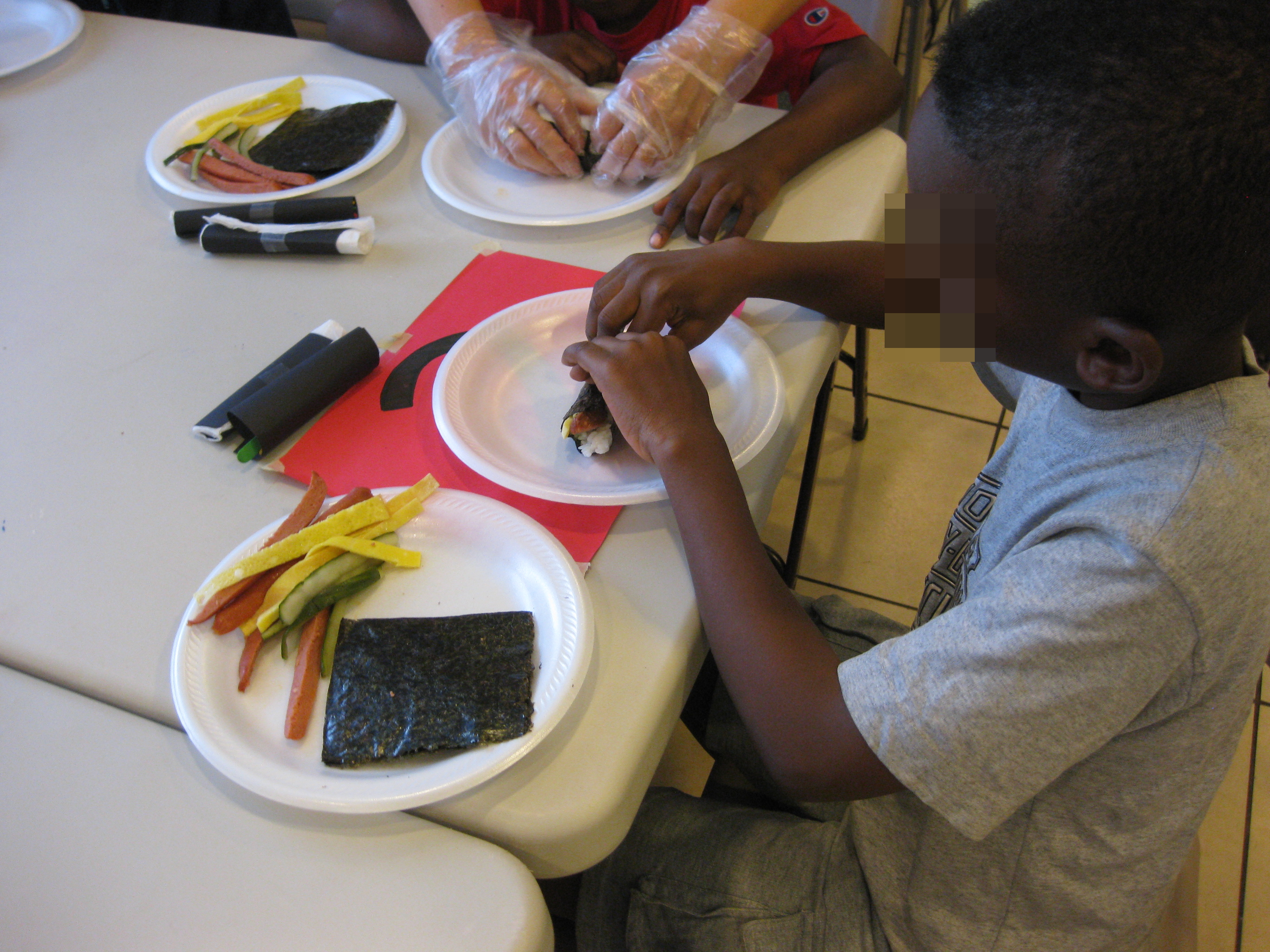
Students make kimbap. They learn the name and color of the material as they make them. They also learn a Korean verb that means 'to roll'.
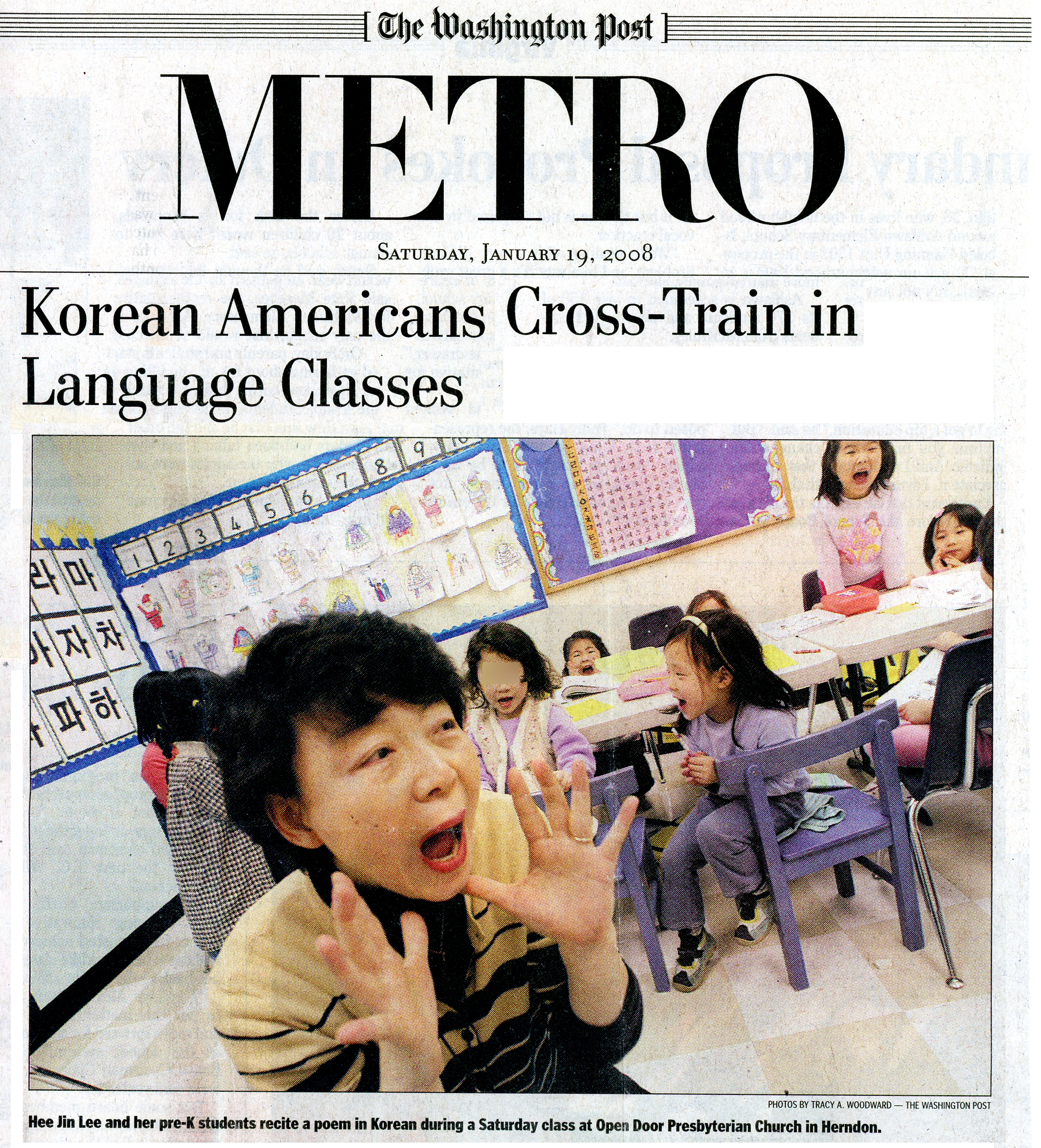
Mrs. Hee Jin Lee, who is the president of iSEJONG organization, has been working as a Korean language teacher for more than 20 years and has a Korean teaching certificate.
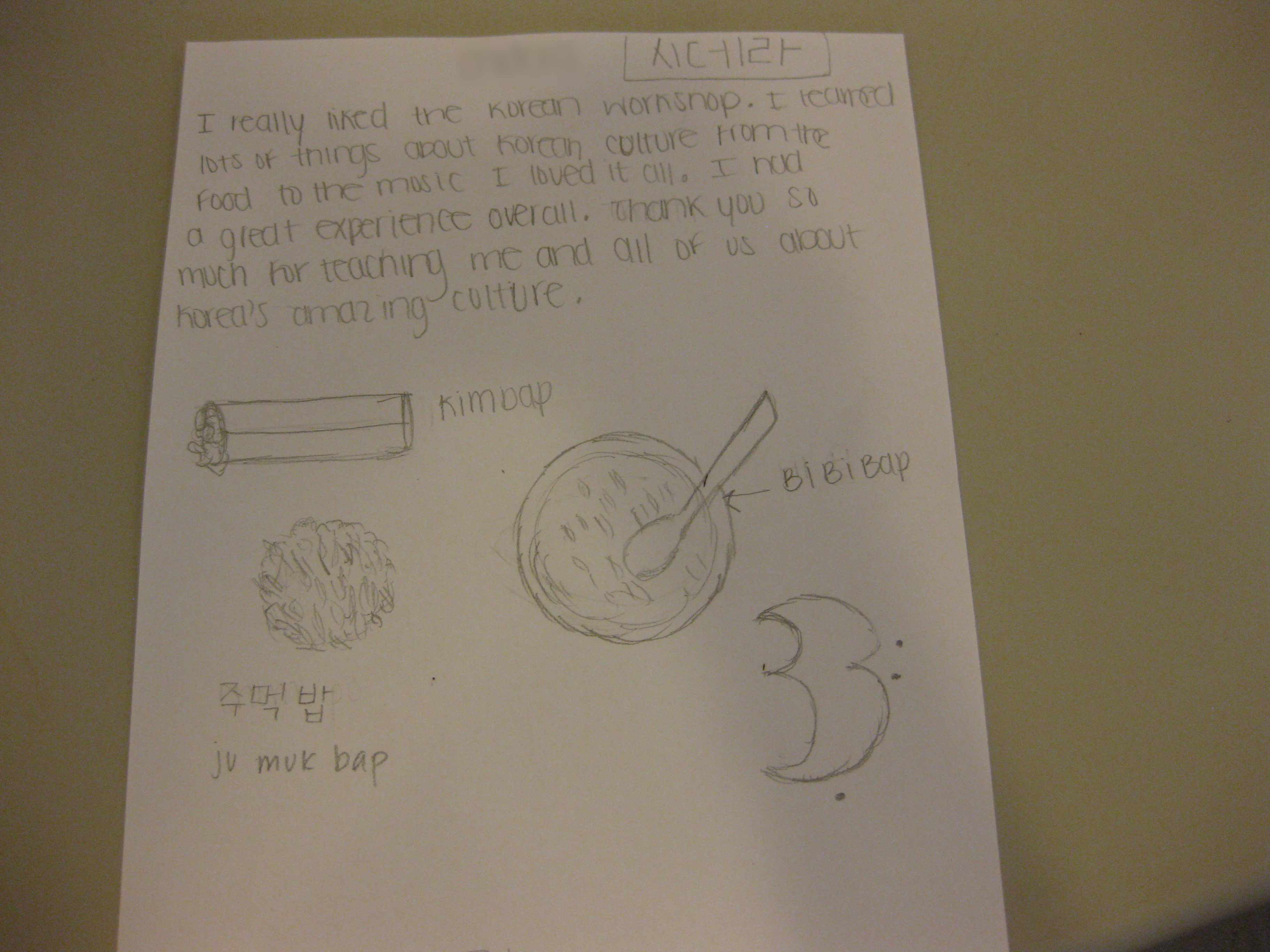
A student wrote about the Korean language and Korean culture learning programs she participated in. Look at the bottom right of the paper. She drew a map of the Korean Peninsula depicting Jeju Island, Ulleung Island, and Dokdo by three dots and the Korean peninsula by the shape of number 3.
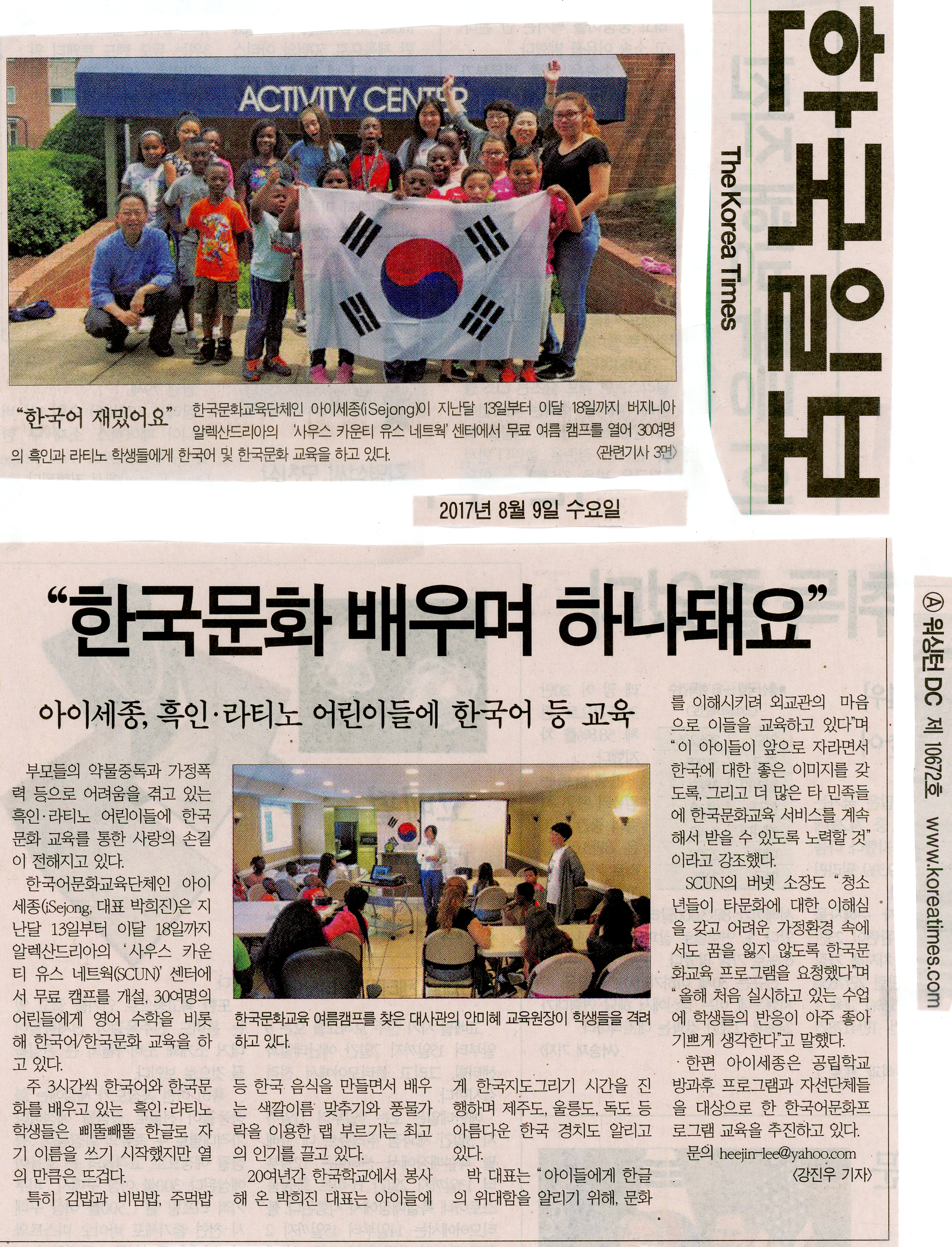
The Korean Times, a local newspaper in Northern VA area, features iSEJONG's activities.
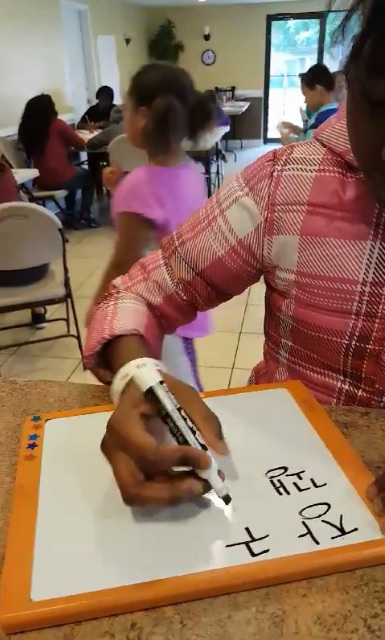
After learning Korean Traditional Percusion, a student writes the instrument name in Korean as the teacher says: Janggu and Gwaenggwari.
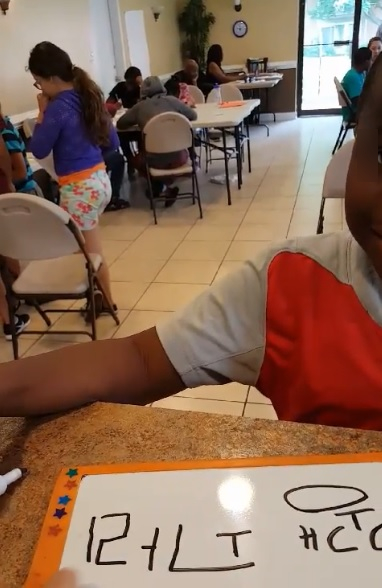
After learning Korean Traditional Percusion, a student writes the instrument name in Korean as the teacher says: Gwaenggwari.